From solo to first team
Build a workable weekly rhythm, make priorities visible, document repeatable work and introduce delegation when it is needed.
Explore founder servicesAtelier Nine Four · Strategy & Operations
I help founders, independent operators and growing teams fix how decisions get made, how meetings earn their time, how reporting gets trusted, and how new tools, AI included, actually get used.
Start with the right-sized assessment: a Founder Operations Snapshot or an Operational Clarity Diagnostic. Scope and fees are agreed in writing.
Who we serve
The work is sized to your operating complexity, not just the number of people on your team.
Build a workable weekly rhythm, make priorities visible, document repeatable work and introduce delegation when it is needed.
Explore founder servicesClarify decision rights, improve handoffs, design reporting and help teams adopt practices they can maintain.
Explore organizational servicesSound familiar?
Whether you're working independently or coordinating a team, these are signs the operating system needs attention.
Nobody is sure who owns the call, so it waits for the next meeting, or the one after that.
The calendar is full, yet the same topics come back every week without moving.
Reporting lives in a spreadsheet each person updates differently, so every review starts with a debate about the data.
New software and AI tools were purchased with good intentions. Most of the team quietly works around them.
How it works
A two-week, fixed-scope diagnostic: intake, interviews, a process map and a short findings memo with the five fixes that matter most.
A meeting cadence, decision rights, KPIs people trust, SOPs and a decision log, sized for your team, not borrowed from a 5,000 person company.
Rollout, training and adoption measures, because a system nobody uses is just another document.
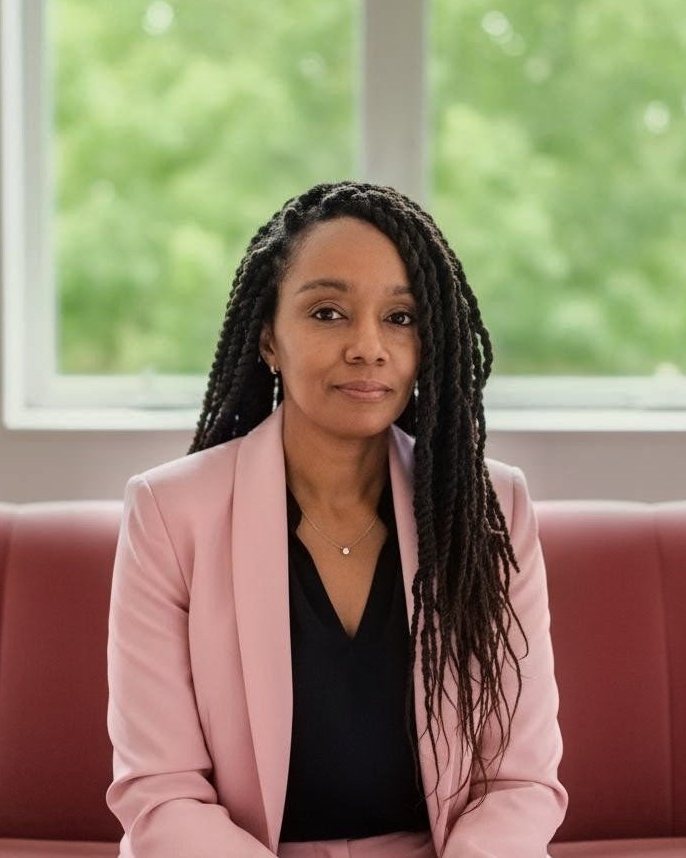
Who you'd work with
I'm Jenny François. For nearly twelve years inside a Fortune Global 500 consumer technology company, I worked at the center of four sales and marketing organizations, supporting the coordination needed to turn priorities into action. That meant setting the operating rhythm leadership decided in, turning loose priorities into owned plans, and coordinating flagship programs, including vendor negotiation and budget reconciliation.
Atelier Nine Four adapts that operational discipline to the stage of the business, from a founder's first repeatable routines to more complex team coordination.
Experience behind the approach
Different kinds of experience inform this work. They are described separately so you can see what I contributed and what each example represents.
Supported senior leaders and coordinated executive-facing programs, cross-functional stakeholders, vendors and administrative processes within a large consumer technology organization.
Helped friends developing nonprofit organizations think through operational needs, planning questions and potential ways to use AI to explore and organize ideas. This support was unpaid; specific adoption and outcomes are not claimed.
Sample diagnostics and operating templates show how I would approach an engagement. They are hypothetical demonstrations, not representations of paid client projects or achieved results.
View examplesSee the work
A condensed findings memo for an illustrative nonprofit: scope, process map, prioritized fixes with owners, and a scorecard that sets a baseline before any target.
Five fields that give a team a shared record of what it agreed to do, and a small pilot to start using them.
Insights
A LinkedIn series about how organizations actually run: operating cadence, trustworthy KPIs, decision logs, and why AI adoption is a change management problem before it's a technology one.
Start with a conversation
A free fit call. No prep needed, no pitch deck. If it isn't a fit, you'll leave with a clearer read on what to fix first.